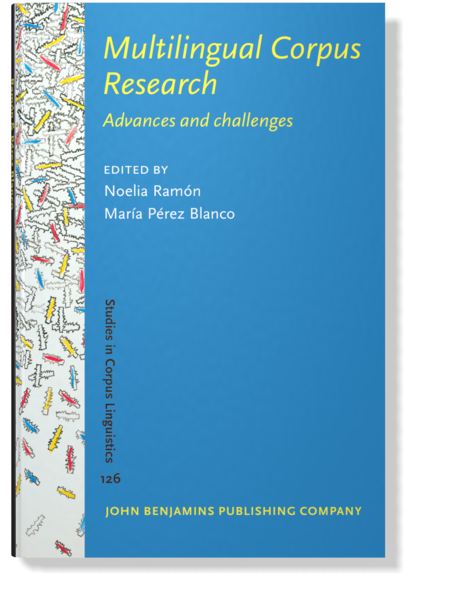
In:Multilingual Corpus Research: Advances and challenges
Edited by Noelia Ramón and María Pérez Blanco
[Studies in Corpus Linguistics 126] 2026
► pp. 339–341
Index
Published online: 20 February 2026
https://doi.org/10.1075/scl.126.index
https://doi.org/10.1075/scl.126.index
A
- ABC,10, 75, 177,180–182, 184–186, 189–190
- Afghan refugee crisis,100, 105, 108, 118
- Agent/s,9, 10, 28–29, 47, 57, 61, 68, 151, 153, 155, 158, 161–162, 164, 168–169
- Aktionsart,275
- anchor words,13, 259, 262–264, 267–270
- annotation,1, 4–5, 23, 31–32, 46, 53–56, 79–80, 93, 100–101, 120, 134, 158, 256, 304
- aphonic attitude,125–126, 130, 133, 135–137, 142–143
- attitudinal stance markers,11, 202, 206, 208–210, 212, 219, 226–227
- authorial voice,9, 55, 138, 145
B
- bidirectional parallel corpus,274, 281, 322
- bilingual,2–3, 10–12, 14, 175–177, 199, 231, 281, 290, 296, 298–310
- boosting,206
C
- censorship,2, 12–13, 257–259, 262–270
- certainty,12, 73, 92–93, 95, 102, 112, 119, 125, 203, 205–206, 217, 220, 226–227, 230, 233–234, 242–243, 251–252
- cognitive attitude,8, 93, 96–97, 111–112, 114–118, 123, 125–126, 128, 133, 135–137, 139–147
- collectivisation,23, 32, 35–36
- combinatorial dictionary,14, 296, 304–305, 308–309
- comparable corpus/corpora,2, 4–7, 9–12, 14, 31, 101, 151–153, 157, 168–169, 175–176, 230–231, 252, 296–298, 322
- comparallel corpus/corpora,4–5, 14, 297–298
- conservative media,7–8, 91, 92, 118–119
- container schema,6, 28, 39, 41
- continuative,277, 279–280, 281, 286, 287, 291
- contrastive analysis,1, 6, 45–46, 67, 87, 134, 274
- contrastive linguistics,1–3, 10, 168
- corpus-based,2–5, 9, 45–46, 123–124, 134, 147, 174, 227, 236, 255–256, 270, 316
- corpus mining,14, 298–299, 309
- corpus tools,259
- cross-linguistic analysis/analyses,12–13, 231, 238, 315
- cultural factors,147
D
- deontic modality,48, 60, 76, 239
- deonticity,6–7, 48, 52, 57–58, 67, 71, 75–76, 78, 81–83, 85, 87–88
- dependency tree,306
- detelizer,280–281, 286–288, 291
- disability,10, 174–176, 178, 185, 187–188, 191, 193–194, 197–198
- discourse analysis,1–2, 6, 9, 26, 46, 91, 151, 154–155, 158, 174, 204
- discourse marker/s,214, 319, 325–332
- durative,14, 276, 278, 280–281, 286–287, 291
- dynamic modality,50
E
- economic argumentation,12, 202–204, 206–207, 209, 226, 235
- economic arguments,204, 227
- economic claims,11, 202, 206–207, 209, 226–227
- economic prediction/s,11–12, 207, 226, 230, 232–235, 251–252
- economic discourse,2, 11–12, 202, 206–207, 209, 214, 220, 227
- effective stance,6–7, 9, 45–48, 50–58, 62–65, 67–68, 71–75, 78–85, 87–88, 93
- elDiario,7, 71–72, 79, 83, 87
- El Mundo,6, 45–46, 52–68, 75
- El País,6, 8, 10, 19–20, 30–31, 33–41, 75, 134, 177, 179, 181, 184, 187–189, 191
- emotional coercion,20, 22, 35
- epistemic gradient,12, 205, 233–235, 237, 240–243, 245, 252
- epistemic modality,47, 93–95, 117–118, 125–126, 236
- epistemic stance,7–9, 47, 73–75, 91-I103, 111–119, 123–125, 127, 129, 131–132, 134–135, 140, 142–144, 147, 202–203, 205–206, 208
- equivalents,4, 10, 13–14, 55, 174–175, 181, 192–193, 198, 247, 249, 251, 274, 290–291, 296, 299–301, 303–305, 307–310, 315
- evaluative strategies,19–20, 25, 31–35
- evidentiality,7–8, 47, 91–92, 94, 98–99, 102, 111–112, 114–119, 123–126, 132–133, 135–136, 139–142, 145–147, 236
F
- factivity,7–8, 47, 91, 94, 96, 123, 125–127, 133, 135–136, 140, 143, 145–147
- fiction,56, 282, 315–316, 322–324, 330–335
- force schema/s,27–29, 36–38
- forecasting,204, 207, 226–227, 231–232, 246
- futurate reading,278, 281
G
- gerund,13–14, 274–291
H
- hedging,203, 206, 221, 226, 233, 235
- hubness,300
I
- image schemas,6, 19–20, 27, 30–33, 36, 41
- immigration,2, 6–9, 21, 27, 30, 41, 45–47, 52–54, 63–65, 67–68, 73, 75, 88–89, 91–94, 100–104, 106–109, 111–113, 115–119, 123, 197
- impersonalisation,23, 32–33, 35
- inclination,7, 49, 52, 57, 71, 75, 77, 81–83, 85, 87–88, 133
- inclusion,10, 23, 100, 119, 174–175, 179, 192–198, 208
- inferential continuum,205, 233–235, 237, 245
- inferentiality,8, 98, 123, 136, 143–144, 146–147, 233, 252
- informativity,321–322, 335
- insertion,10, 175, 179, 192–199
- integration,8, 10, 104–105, 108–109, 118, 175, 179, 184, 192–198, 257
- intelligibility,14–15, 292, 315, 321–322, 330, 334–335
- intentionality,7, 48, 57, 71, 75, 77, 81–83, 86, 88, 155, 158–161
- interference,288, 316, 319
- intersubjective evaluation,143
L
- labelling,10, 22, 24, 32–33, 35–36, 151, 164, 166–167, 169, 317
- La Gaceta,100
- La Razón,100
- Large Language Model (LLM),5, 14, 296, 298, 307–310
- Libertad Digital,100
M
- media discourse,19, 74, 152, 166, 169
- metaphor scenarios,19–20, 27–28, 30, 33
- migrant crisis/crises,54, 71–72
- migration discourse,7, 46–47, 52–53
- migration linguistics,46
- (im)migration policy/policies,8, 73, 75, 91, 92, 106–108
- monolingual,3, 290, 322–323
- multilingual,1–5, 9, 11–12, 14–15, 207, 230, 296, 298–299, 304, 306, 310
- mutual correspondence,13, 274, 282–283, 288–290
N
- narrative/s,2, 9, 13, 27, 83, 91–93, 102–107, 111, 113, 118–120, 204, 255, 257–259, 262, 266–267, 270, 303, 319, 321, 325–332,
- near-parallel corpus,14, 296, 303–304, 308–309
- news circulation,303
- news equivalence,301–302
- newspaper discourse,2, 6–7, 45–47, 52, 72, 75, 87, 92, 198
- non-fiction,315–316, 322–324, 330–335
- non-personal expressions,8, 60, 97, 123, 126, 128, 133, 141–142
- normativity,7, 49, 52, 55, 57, 67, 71, 75, 78, 80–88
- Nós,8, 134
O
- Ok Diario,100
- opinion articles,4–8, 31–32, 45–46, 52–54, 57–58, 62, 67–68, 71–74, 79–81, 83–84, 87–88, 91–92, 94, 100–106, 108–109, 111, 113, 118–119, 123, 133–134, 146
- opinion discourse,8, 52, 91, 102, 145
- overuse,15, 52, 68, 80, 82, 85, 133, 288, 334–335
P
- parallel corpus/corpora,1–4, 12–15, 255, 258–259, 266, 269, 274, 281, 296, 297–299, 304, 309, 315–316, 322, 325
- patient/s,9–10, 29, 151, 153, 155–156, 158, 161–164, 168–169
- personal expressions,96, 131, 133, 139, 145–146
- persuasion,7, 83, 87, 93, 113, 143, 202–203
- phraseological equivalence,304
- phraseology extraction,14, 296, 298, 303, 309–310
- populism,10, 151–157, 161, 169–170
- populist/s,9–10, 151–169
- possibility,6, 12, 58, 60, 67, 78, 118, 168, 217–218, 233, 235–236, 238, 242–243, 269, 325
- potentiality,6–7, 50, 52, 57–58, 60, 67, 71, 75, 78, 81–83, 87
- pragmatic functions,317–318
- Praza Pública,8, 134
- predicational strategies,20, 22–25, 32–34, 36
- predictive verbs,230, 237, 246–247, 249–250, 252
- probability,95, 118, 217–218, 231, 235–236
- progressive,12–14, 104–105, 116, 274–281, 283–284, 286–291
Q
- quantification,24, 32–33, 35, 41, 227, 231
R
- referential strategies,22–23, 32–34, 36
- refugee crisis/crises,2, 6–7, 21, 40–41, 45, 53–54, 71, 79, 81, 83, 84, 87, 91, 94, 100–106, 108–111, 113, 115, 118, 123, 137
- representation/s,6, 9–10, 19–23, 26, 28, 30–31, 33, 35–36, 40–41, 46, 91–92, 102–103, 111, 124, 146, 151–153, 155, 160–161, 164, 166, 168–169, 298, 300, 307
S
- second-person,14, 76, 83, 85, 315, 317, 334
- self-censorship,13, 257, 259, 263–264, 270
- semantic roles,152, 154–155, 158
- semantic similarity,300, 307
- sentence embeddings,14, 296, 298–300, 306–307
- social media,2–5, 9, 120
- stance-taking,72–74, 88, 93, 112–113, 119, 125
- Syrian refugee crisis,21, 100, 108, 109
T
- temporary habit,14, 277, 279–281, 286–287, 291
- terminology,10–11, 174–176, 197–198, 205–206
- text flow,315, 321, 329–330, 334–335
- The Guardian,6–7, 10, 19–20, 30–31, 33–41, 52, 71–72, 75, 79, 81, 83–84, 87, 177, 192–194
- The Independent,6, 45, 52–68
- The Observer,52
- The Telegraph,10, 52, 68, 75, 100, 177, 192, 195
- The Times,75
- theatre,2, 12–13, 255, 257–259, 262–263, 266–267, 270
- topoi,6, 26, 33, 41
- translation equivalence,256, 296, 301–302
- translation history,5, 12–13, 255–256
- translation quality,15
- translation solutions,284, 286, 291, 322, 325
- translation strategies,13
- translation techniques,256, 263–265, 267–268
- translation universals,316
- Twitter,2, 5, 9–10, 151–152, 155–157, 159, 166, 169
U
- Ukrainian refugee crisis,7, 21, 40, 71, 79, 81, 83–84, 87, 100, 108, 110
- underuse,15, 80, 332, 334
W
- waxing and waning,277, 279–280, 286–287, 291
